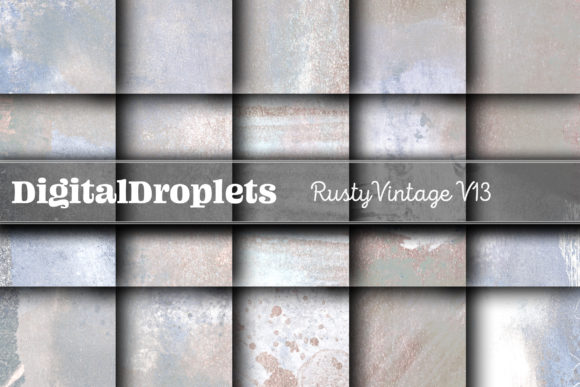
Rusty Vintage Papers Vol.13: A Designer's Textured Toolkit
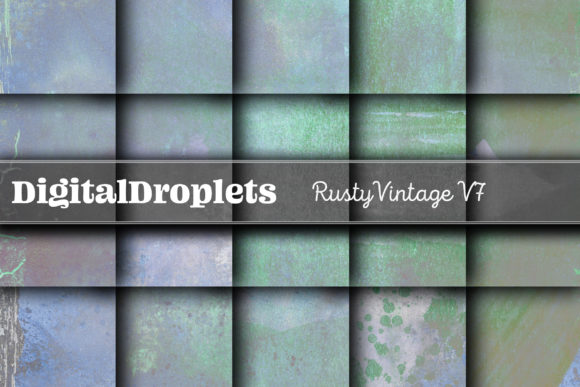
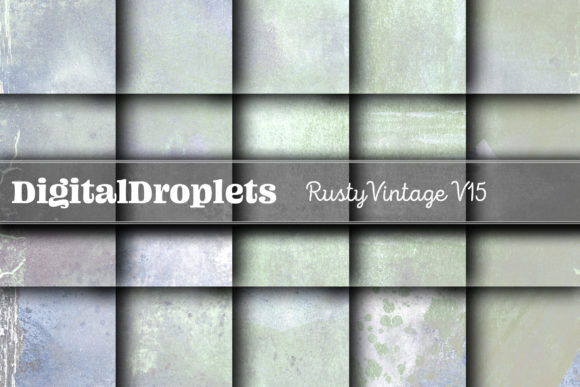
Discover how the Rusty Vintage Papers Vol.13 | Collection can transform your creative projects with its uniquely aged, tactile aesthetic. This curated set of 10 high-resolution 12×12 digital papers offers a sophisticated blend of grungy textures and brush strokes over classic paper backgrounds, providing a versatile foundation for a wide range of design applications. Each paper features its own distinctive border, often incorporating wood or stone-like textures, adding depth and authenticity that generic backgrounds lack.
Elevating Visual Communication with Authentic Texture
In today's digital landscape, where clean and minimal design often dominates, introducing carefully crafted texture can create powerful visual contrast and emotional resonance. The Rusty Vintage Papers Vol.13 set provides more than just a background; it offers a narrative. The subtle imperfections, layered brush strokes, and aged borders evoke a sense of history and craftsmanship, making it an invaluable asset for projects that require authenticity and character. This is particularly effective in brand identity work, where establishing a unique and memorable visual language is paramount.
For designers focused on visual hierarchy and editorial design, these textures can anchor content, guide the viewer's eye, and add a layer of sophistication to layouts. The key is to use them thoughtfully to enhance, not overwhelm, your core message.
Practical Applications Across Creative Projects
The true value of a resource like the Rusty Vintage Papers Vol.13 | Collection lies in its adaptability. Its vintage, grungy style serves multiple purposes across different mediums, seamlessly integrating into a designer's workflow.
- Branding and Logo Design: Use these textures as subtle overlays on logo presentations, brand guidelines, or packaging mockups to communicate a rustic, artisanal, or heritage-focused brand personality. They help in creating a cohesive brand identity that feels grounded and tactile.
- Marketing and Social Media Graphics: Stand out in crowded feeds with backgrounds for quote cards, promotional banners, and Instagram stories. The textured look adds depth and visual interest, increasing engagement and stopping the scroll. They are perfect for social media graphics that tell a story.
- Print and Packaging Design: From packaging design for gourmet products or boutique goods to print design for wedding invitations, event programs, or book covers, these papers provide an instant vintage charm. They work beautifully for creating tags, envelopes, and card backgrounds.
- Digital and Web Design: In web design and UI design, they can be used as hero section backgrounds for specific landing pages, in blog post headers, or as part of a larger creative assets library for digital marketing campaigns. They are also excellent for photography backdrops and blog design elements.
Integrating Textured Assets into Your Design Workflow
When incorporating textured elements like the Rusty Vintage Papers, consider these tips for a polished, professional result:
- Ensure Consistency: If using multiple papers from the set, maintain a consistent level of texture and color grading across your project to support a unified visual design.
- Balance with Typography: Pair textured backgrounds with clean, highly legible typography. Sans-serif fonts often provide a crisp counterpoint to organic textures, ensuring your message remains the focal point.
- Consider Your Audience: Align the vintage aesthetic with your audience's expectations and your project's goals. This style excels for brands in lifestyle, crafts, food, and artisanal markets.
- Leverage for Scalable Projects: The high-resolution 300dpi files ensure quality in both large-format print design and detailed digital applications, from planner stickers to wall art.
By thoughtfully selecting and applying high-quality creative assets like the Rusty Vintage Papers Vol.13 | Collection, designers can efficiently build rich, engaging visual narratives. This approach not only elevates the aesthetic quality of the work but also strengthens its communicative power, helping brands and creators connect with their audience on a more profound level through the deliberate use of texture, history, and artful composition.