Rusty Vintage Papers Vol.10: Elevate Your Design Projects
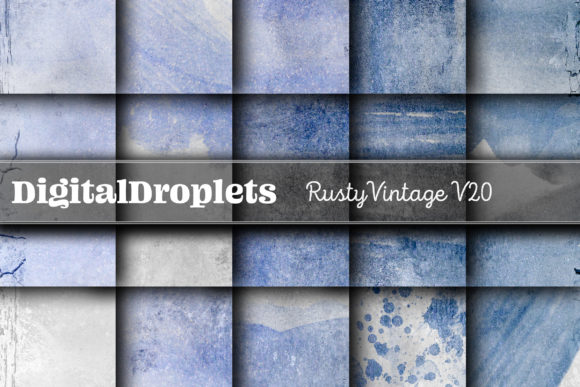
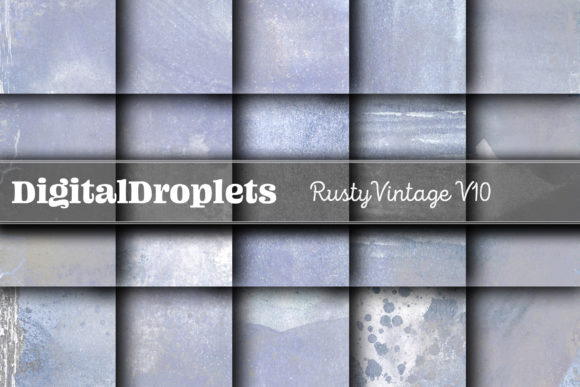
In the digital age, authentic texture is a powerful design tool that instantly evokes nostalgia and tactile appeal. The Rusty Vintage Papers Vol.10 | Collection offers a curated set of 10 high-resolution, 12x12 digital papers that masterfully blend grungy textures with classic, aged aesthetics. Each paper in this collection features unique borders—subtle wood or stone-like finishes—and layered brush strokes over old paper backgrounds, providing designers with versatile, ready-to-use creative assets for projects that demand a vintage, handcrafted feel.
This collection isn't just about surface-level appeal; it's a strategic resource for enhancing visual communication. In graphic design, texture adds depth, guides the viewer's eye, and reinforces thematic messaging. The Rusty Vintage Papers Vol.10 | Collection serves as a foundational element for creating cohesive visual narratives, whether you're developing a brand identity, designing marketing collateral, or crafting digital content. Its inherent character helps bridge the gap between modern digital interfaces and the timeless, human touch that audiences often find engaging and trustworthy.
Practical Applications Across Creative Disciplines
The utility of these vintage-style backgrounds extends far beyond traditional scrapbooking. Their high-resolution, 300dpi format ensures crisp output for both digital and print applications, making them a reliable component in a professional design workflow.
- Branding and Logo Design: Use these textures as subtle backgrounds for logo presentations, business cards, or letterheads to establish a heritage or artisanal brand personality. They add a layer of authenticity that can differentiate a brand in a crowded marketplace.
- Marketing and Social Media: Create compelling social media graphics, email headers, or digital advertisements that stand out. The textured papers serve as excellent backgrounds for text overlays, product shots, or quote cards, increasing visual hierarchy and engagement.
- Editorial and Web Design: Incorporate them into website headers, blog post featured images, or digital magazine layouts to break the monotony of flat, solid colors. In UI design, they can be used sparingly for section dividers or hero areas to add visual interest without compromising readability.
- Packaging and Print Design: Ideal for mockups, product labels, or specialty packaging where a rustic, vintage, or handmade aesthetic is desired. They translate beautifully onto physical media like invitations, tags, and gift wrap.
Integrating Texture with Design Principles
Successfully incorporating assets like the Rusty Vintage Papers Vol.10 | Collection requires an understanding of core design principles. Texture should complement, not compete with, your primary message. Consider these factors when selecting and using design elements:
Visual Hierarchy and Readability: When using a busy, textured background, ensure your typography and key graphic elements have sufficient contrast and clean space to remain legible. Pair these papers with simple, sans-serif fonts or bold, clear serifs to maintain a professional presentation.
Consistency and Brand Alignment: If applying these textures to a brand system, use them consistently across touchpoints to reinforce identity. Select specific papers from the set that align with your brand's color palette and overall mood to create a unified experience.
Scalability and Purpose: Always source high-resolution files like these 300dpi papers to ensure they scale gracefully for various formats, from small web thumbnails to large print posters. Evaluate each paper's unique border and texture intensity to match it with the appropriate project—using more subtle textures for professional contexts and bolder ones for creative, artistic pieces.
Thoughtful design is about making intentional choices that enhance communication and user experience. Quality creative assets, such as the Rusty Vintage Papers Vol.10 | Collection, provide the raw material for professionals to build more engaging, visually rich, and memorable projects. By leveraging these textures within a structured design framework, creators can add depth, emotion, and a distinctive character to their work, ultimately strengthening the connection with their audience.