Inked Laces Vol. 5: Vintage Textures for Modern Design
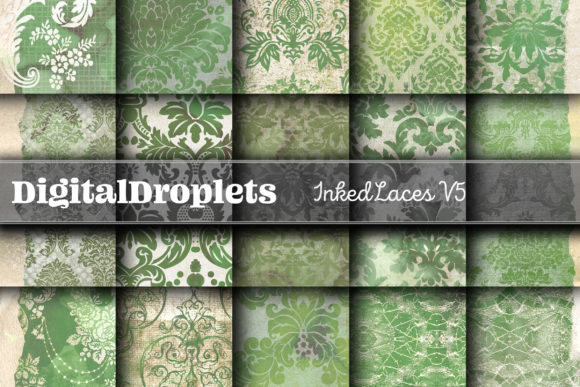
Elevating a design from simple to sophisticated often hinges on the quality of its foundational textures. The Inked Laces Vol. 5 | Collection offers a curated set of digital papers that blend vintage elegance with contemporary artistic techniques, providing a versatile asset for creators seeking depth and character in their work.
A Fusion of Classic and Contemporary Aesthetics
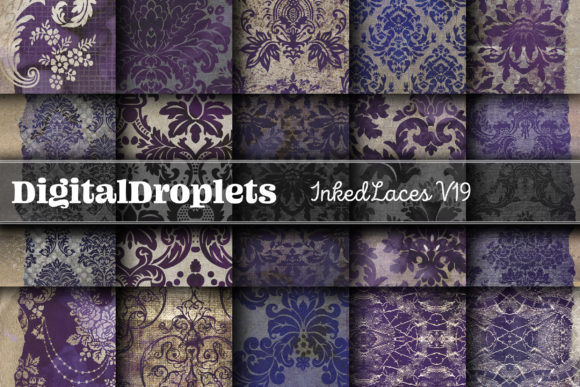
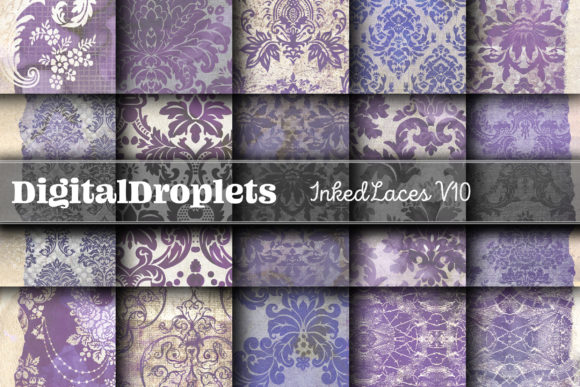
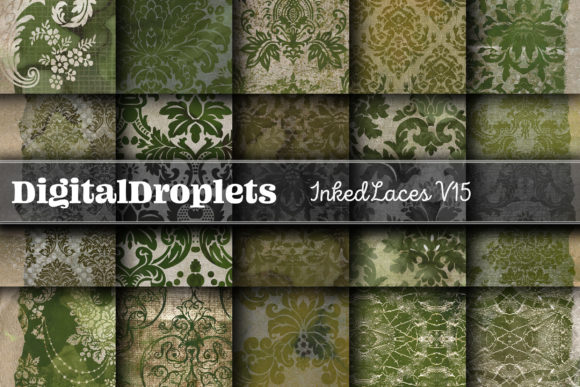
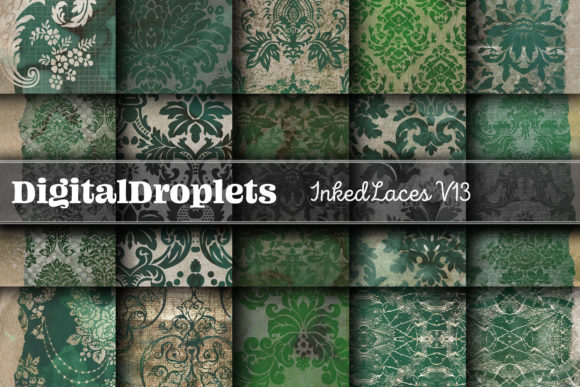
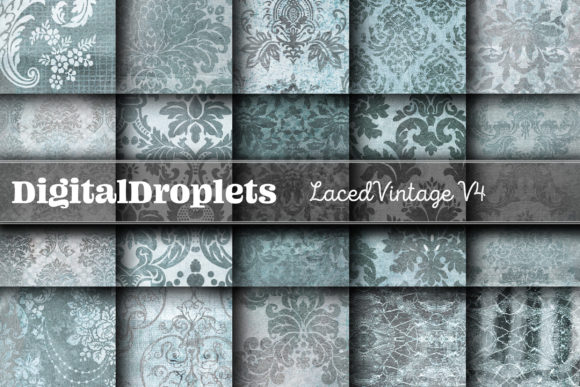
This collection presents ten unique 12x12 inch, 300dpi JPEG files. Each paper features a timeless damask or lace pattern, a hallmark of vintage design, which is then layered with the vibrant, organic textures of alcohol ink or watercolor. The result is a stunning visual paradox: structured yet fluid, classic yet modern. Each design is framed with its own cardboard-style border, adding a tactile, handmade quality that is highly sought after in current design trends. This blend makes the Inked Laces Vol. 5 | Collection 12×12 Paper Set exceptionally useful for projects that require a touch of heritage without feeling outdated.
Strategic Applications for Design Professionals
The true value of a creative asset lies in its adaptability across various mediums. These textured backgrounds are engineered for broad application, enhancing both digital and print projects.
In branding and logo design, these papers can serve as subtle background elements for brand boards, business cards, or packaging mockups, instantly conveying a sense of artisanal quality and history. For marketing materials, they create compelling visuals for flyers, brochures, and social media ads, especially for brands in the lifestyle, beauty, or boutique retail sectors.
For social media content, the textures provide an engaging backdrop for quotes, product announcements, and Instagram stories, increasing visual hierarchy and stopping the scroll. In web and UI design, they can be used sparingly as section backgrounds or header textures to add warmth and personality to a digital interface, improving user experience through visual interest.
Furthermore, they excel in editorial layouts for magazine or blog design, in packaging design for product labels and boxes, and in advertising campaigns where a vintage or nostalgic appeal is desired. They are also perfect for creating professional presentations, unique merchandise like journals and apparel, and valuable digital products such as printable art or planner inserts.
Tips for Effective Integration and Evaluation
When incorporating textured assets like these into your design workflow, consider a few key principles to ensure a polished, professional result.
- Maintain Visual Hierarchy: Use these detailed textures as backgrounds. Ensure foreground elements, like typography or logos, have sufficient contrast and simplicity to remain readable and prominent. A clean sans-serif font often pairs well with ornate textures.
- Ensure Brand Consistency: Evaluate if the color palette and style of the paper align with your existing brand identity. The Inked Laces collection's muted, vintage tones work well for brands that emphasize authenticity, craftsmanship, or nostalgia.
- Consider Scalability and Context: While these files are high-resolution, think about how they will appear at different sizes. A complex lace pattern might get lost in a small icon but will shine in a full-page background or large-format print.
- Layer for Depth: Don't use the paper as a flat, single layer. Experiment with blending modes (like Multiply, Overlay, or Soft Light) in your design software to integrate the texture seamlessly with other color layers or photographs, creating a richer composition.
Enhancing Creative Projects with Purposeful Assets
Thoughtful selection of design elements is a critical step in the creative process. Quality assets like the Inked Laces Vol. 5 | Collection do more than just fill space; they communicate a specific mood, establish a visual tone, and contribute to the overall narrative of a project. By choosing resources that offer both aesthetic appeal and functional versatility, designers and creators can streamline their workflow, achieve more consistent results, and ultimately produce work that resonates more deeply with its intended audience. The right texture can transform a design from merely functional to truly memorable.